Music, Memory, and Connection at the End of Life
A private acoustic visit can create space for comfort, storytelling, laughter, tears, and simply being together when words are difficult.
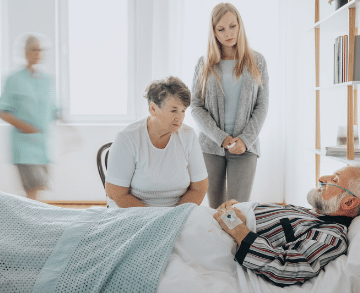
End-of-life care is often described in medical terms: medications, symptoms, oxygen, mobility, appetite, pain. Those things matter. But families also need ways to be together that do not feel medical.
That is the idea behind Harmony and Healing, Santa Fe Mobile MD’s in-home music and legacy-songwriting program. Our Artist in Residence, singer-songwriter David Berkeley, visits patients and families in their homes for intimate acoustic performances and personalized songwriting.
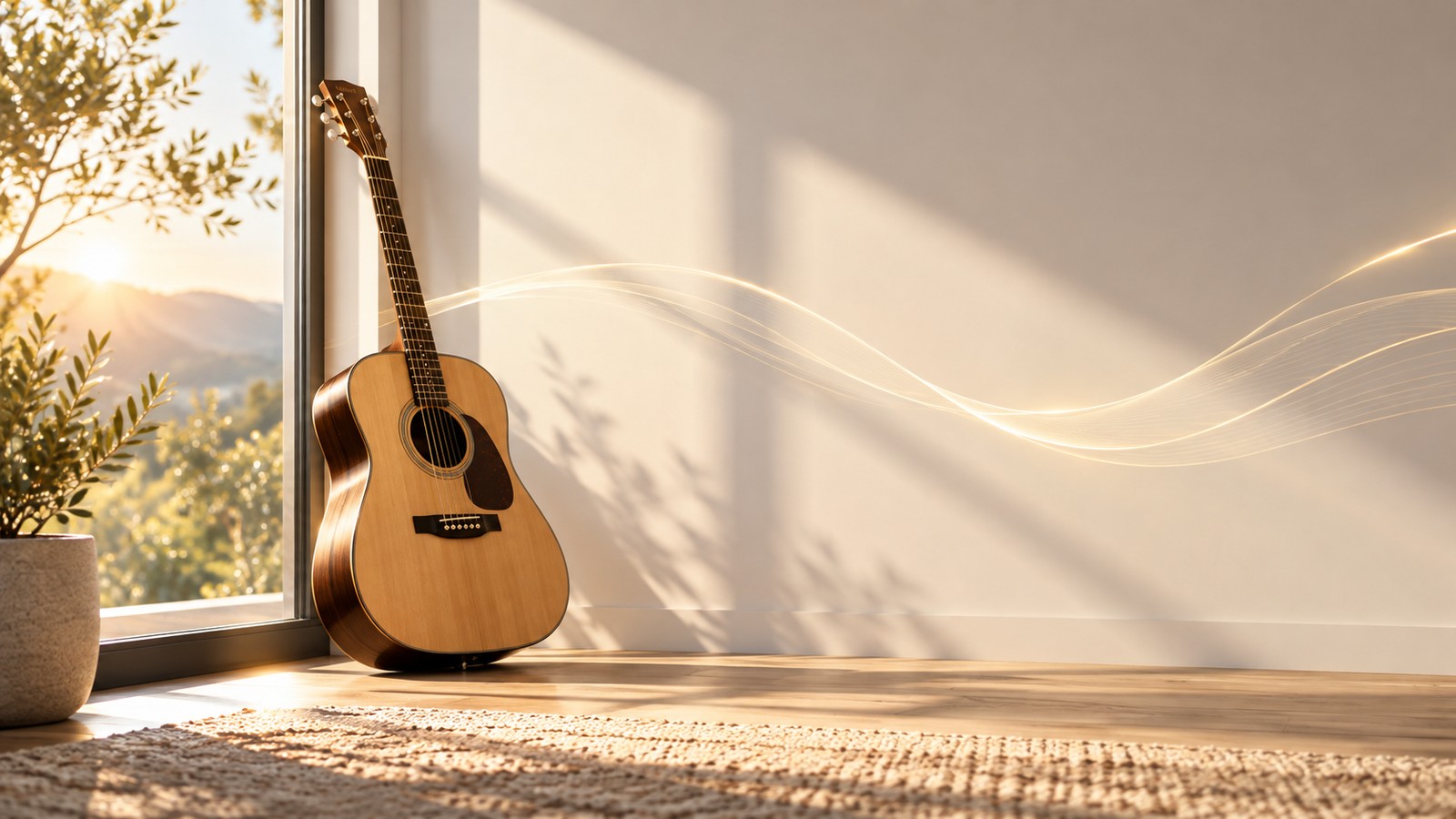
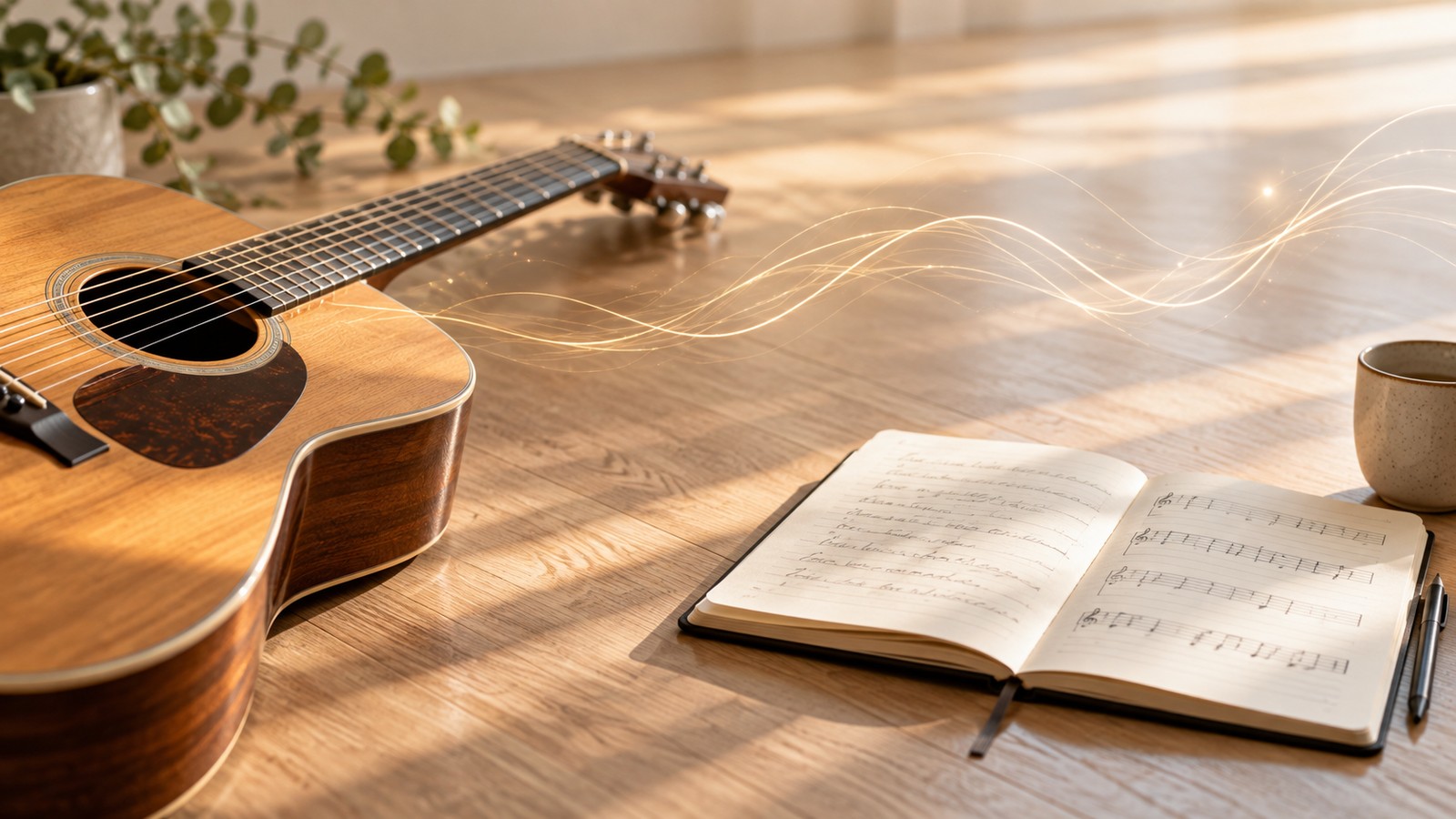
This is deliberately small and personal. There is no stage, no microphone, and no expectation that anyone needs to perform, talk, or respond in a particular way. It is simply a musician, an acoustic guitar, and the people who matter to the patient.
How a Harmony and Healing visit works
We designed the process to be simple for families already carrying a great deal. Santa Fe Mobile MD helps coordinate the visit so the experience can fit around the patient’s condition, energy, family, and other end-of-life care.
Tell us about the patient
A family member, patient, hospice team, or Santa Fe Mobile MD physician can begin the conversation. We want to know what the patient enjoys, what music means to them, and what kind of experience would feel right.
Choose the kind of visit
Some families want a quiet private concert. Others want to preserve stories in an original song. Some want both. We help choose the format that best fits the patient and family.
David comes to the home
The visit takes place where the patient is most comfortable. Family can gather nearby, sit quietly, sing along, share memories, or simply listen. The experience can be adjusted to the patient’s energy that day.
The music can continue afterward
For legacy-songwriting visits, David creates an original song from the stories and conversations he has heard. The family receives a recording to keep and share.
Three ways to experience Harmony and Healing
A private acoustic performance
A 60–90 minute visit in the patient’s home. David plays a gentle acoustic set shaped around the patient, the room, and the family. It can be quiet and reflective or filled with conversation and shared memories.
A life story turned into music
David meets with the patient and/or family for two approximately 60-minute conversations about the person’s story, values, memories, relationships, or messages they want to leave behind. He then writes an original song and provides the family with a recording.
Storytelling and a private concert
A multi-visit experience that combines legacy songwriting with an intimate home performance, including the newly written song. It creates both a shared moment and something lasting.

Why acoustic?
The intimacy matters. A voice and an acoustic guitar can fill a room without turning the room into a performance space.
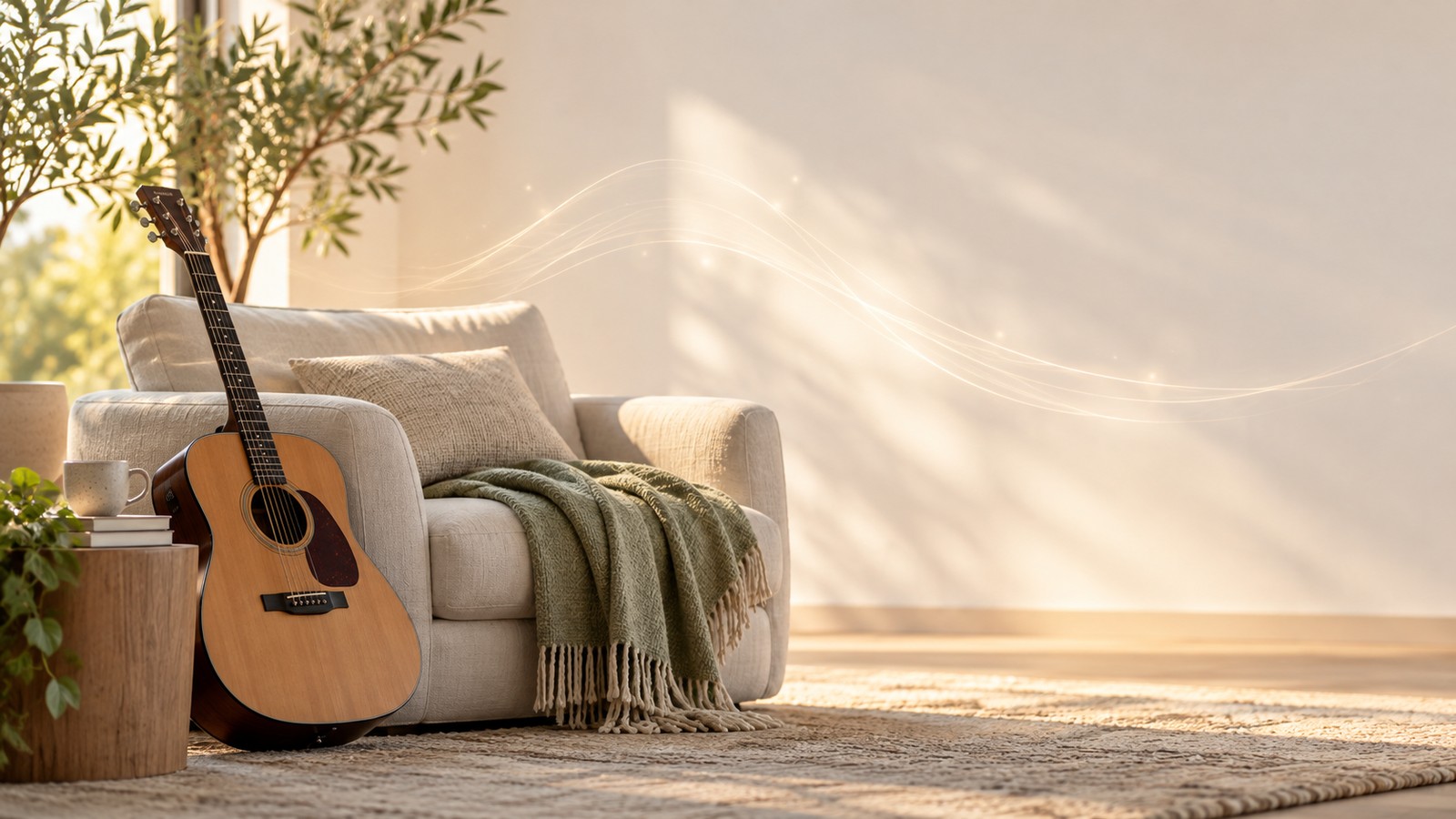
There is no amplification and no need to create an event around the patient. David can play softly beside a chair, a sofa, or a bed. The music stays at a human scale and the patient remains at the center of the visit.
Family is part of the experience
Harmony and Healing is not only for the patient. It can also give family and friends a different way to be together during a difficult time.
People can gather in the room or move in and out. Children and grandchildren can join. Someone may tell a story that becomes part of a song. Someone else may sit quietly. There is no correct way to participate.
For families who have spent weeks or months talking about medications, appointments, prognosis, and logistics, music can briefly change what the room is about.
Who might benefit from a visit?
- Patients receiving hospice or other end-of-life care.
- People living with a serious or terminal illness who find comfort in music.
- Families who want to create a meaningful experience together at home.
- Patients who have become less verbal or less interactive but may still enjoy hearing familiar or gentle music.
- Families who want to preserve stories, memories, values, or a message in an original song.
A patient does not need to be a musician, have a favorite genre, or know what they want to hear. Sometimes the family has a clear idea. Sometimes David simply begins with conversation and lets the visit take shape from there.
About David Berkeley
David Berkeley is a Santa Fe–based singer-songwriter and author whose work centers on love, memory, family, place, and the passage of time. As Santa Fe Mobile MD’s Artist in Residence, he brings that same storytelling sensibility into patients’ homes in a much more intimate setting.
Harmony and Healing alongside hospice and medical care
Harmony and Healing does not replace hospice, palliative care, or medical treatment. It adds something different.
Santa Fe Mobile MD can coordinate the program alongside the patient’s existing hospice and end-of-life care. The goal is not to add another appointment to an already full schedule. It is to create a meaningful pause within it.
Common questions
Does the patient need to be able to talk?
No. A visit can be meaningful even when a patient has little energy for conversation. David can adjust the visit to the patient’s condition and the family’s wishes.
Can family members be present?
Yes. We encourage family and close friends to be present when the patient wants them there. Many families experience the visit together.
Does the patient need to choose the songs?
No. Music preferences are helpful, but they are not required. David and the family can decide together what feels appropriate.
How does legacy songwriting work?
David spends time learning about the patient’s life, memories, values, important relationships, and anything they would like expressed. He then turns those conversations into an original song and provides the family with a recording.
Can Harmony and Healing be combined with hospice care?
Yes. It is designed to work alongside the care the patient is already receiving, including hospice.
Is this covered by insurance?
Harmony and Healing is generally offered as a separate direct-pay service. Please contact Santa Fe Mobile MD for current pricing and scheduling information.
Bring music into the room
If someone you love is facing serious illness or the end of life, we can help arrange a Harmony and Healing visit that fits the patient, the family, and the moment.
Harmony and Healing is an in-home acoustic music and legacy-songwriting program offered by Santa Fe Mobile MD. It is designed to complement, not replace, hospice, palliative, or other medical care.